Police at Your Door? The Ultimate Guide to Protecting Your Rights During Questioning in NSW

The knock on your door at 9pm. The flash of badges. The sudden realization that police want to question you. Your heart races, your mind blanks, and you’re unsure what to do next. This moment can determine the entire trajectory of your case, and most people get it wrong.
In NSW, you have powerful legal protections during police questioning, but only if you know how to use them. Here’s everything you need to know to protect yourself when police arrive at your door
What You Must Do When Police Arrive
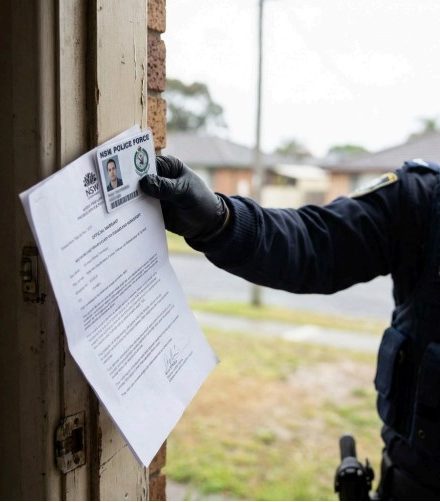
Ask for identification immediately. You have the absolute right to request their name, rank, badge number, and which police station they’re from. Don’t feel awkward about this, it’s standard procedure and establishes an official record of the interaction.
Demand to see any warrant. If police claim they have a warrant to enter your property, you can request to see it before allowing entry. A valid warrant must be in writing and clearly state what they’re searching for. If they can’t produce one, you can refuse entry to your home.
Stay calm but assert your rights. Police are trained to create pressure and urgency. Take a breath. You’re not required to make immediate decisions or answer rapid-fire questions.
Your Fundamental Right to Silence
You are not obligated to answer questions beyond basic identification. In NSW, you must provide your name, address, and date of birth when requested by police. Beyond that, you can remain
completely silent.
The police caution is your protection. When police say “You are not obliged to say anything unless you wish to do so, but anything you say will be recorded and may be given in evidence,” they’re informing you of your right to silence. This isn’t a formality, it’s a powerful legal shield.
Nothing is “off the record.” Police may try to create a casual atmosphere or suggest they’re just “having a chat.” Once you’ve been cautioned, everything you say can be used as evidence against you in court. There are no informal conversations with police.
When Police Can—and Cannot—Enter Your Home
Without a warrant, police cannot enter your home unless you’re under arrest, they’re in hot pursuit of a suspect, or there are emergency circumstances. You can politely but firmly state: “I do not consent to you entering my property.”
You can speak to police through a closed door. There’s no legal requirement to open your door or step outside. You can communicate through the door while keeping your home secure.
If they have a warrant, verify its validity. Check that it’s properly signed by a magistrate, clearly identifies your property, and specifies what they’re looking for. An invalid warrant gives you grounds to challenge any evidence obtained.
What Information You Must Provide (and What You Don’t)
Mandatory disclosure includes:
-
Personal details (name, address, DOB)
-
Information about serious indictable offences if you have knowledge
-
Details if involved in a vehicle crash causing injury
You are never required to:
-
Explain where you’re going or what you’re doing
-
Answer questions about your activities
-
Provide information about other people
-
Consent to searches without a warrant

Critical Exceptions to the Right to Silence

Serious indictable offences carry special rules. For crimes with maximum penalties of five years or more imprisonment, your silence may be used against you if you later rely on information in court that you could have mentioned during police questioning.
This does not mean you should speak without a lawyer. These rules are complex and fact-specific. What feels helpful may strengthen the prosecution’s case.
Your Right to Legal Representation
You can request a lawyer at any time during questioning. Police must provide you with reasonable opportunity to contact a solicitor before and during any interview. This isn’t just for people under arrest, you can request legal advice during any police interaction.
Legal aid is available if you cannot afford representation. NSW provides free legal assistance for criminal matters if you meet certain criteria. However, having an experienced criminal lawyer can make a significant difference in protecting your rights.
Police questioning should stop once you request a lawyer. If you clearly state you want legal representation, ethical police should halt questioning until you’ve had opportunity to get advice.
Practical Steps to Protect Yourself
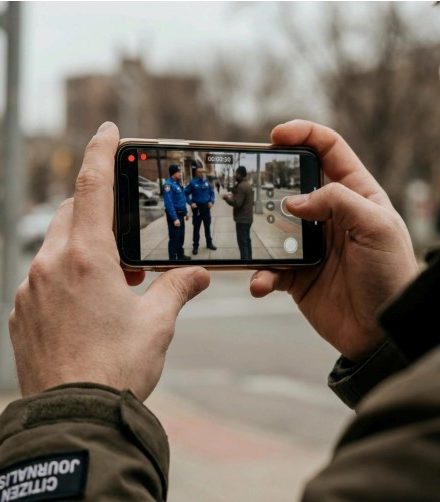
Record the interaction if possible. You have the right to record police interactions on your mobile phone. This creates an objective record of what was said and done.
Use these exact phrases:
-
“I wish to exercise my right to remain silent.”
-
“I do not consent to any searches.”
-
“I want to speak to a lawyer before answering questions.”
-
“Am I under arrest or free to leave?”
Don’t sign anything without legal advice. Police may present documents, statements, or consent forms. You have the right to review these with a lawyer before signing.
If You’re Asked to Attend the Police Station
You can decline voluntary attendance. If you’re not under arrest, police may ask you to “come in for a chat” or “help with inquiries.” You can simply say no and request they make an appointment through your lawyer.
Understand detention limits. If you are detained, police can hold you for questioning for up to 6 hours, extendable to 12 hours with a detention warrant. These time limits are strict legal requirements, not suggestions.
Common Police Tactics—and How to Handle Them
The “it will look bad if you don’t cooperate” approach. Police may suggest that remaining silent makes you look guilty. This is incorrect. Your right to silence cannot be used as evidence of guilt in NSW courts
The “we already know everything” strategy. Police often claim they have all the evidence they need and just want your side of the story. If that were true, they wouldn’t need your statement.
The minimization technique. Police may downplay the seriousness of charges or suggest cooperation will lead to lesser penalties. These decisions are made by prosecutors and courts, not investigating officers.

When Silence Isn’t Enough: You Need Immediate Legal Help
Contact a criminal lawyer immediately if:
-
Police mention specific charges
-
They want to search your property
-
You’re asked to attend the station
-
A serious indictable offence is involved
-
You’ve already said something you regret
Early legal intervention can:
-
Prevent charges being laid
-
Ensure any statement is properly structured
-
Protect you from procedural violations
-
Negotiate with police before formal proceedings begin
How Greenfield Lawyers Protects Your Rights During Police Questioning
At Greenfield Lawyers, we understand that police interactions rarely happen during business hours or when you’re prepared. Our criminal law team provides immediate support when police are at your door or seeking to question you
We intervene before statements are made. Our lawyers can speak directly with investigating officers, often preventing the need for formal interviews or allowing us to structure any necessary interaction in your favor.
We ensure procedural compliance. Police must follow strict procedures during questioning and detention. Our experience allows us to identify violations that could invalidate any evidence obtained.
We’re available when you need us most. Criminal investigations don’t wait for convenient timing. Our team provides after-hours support for urgent police matters.

Your Next Steps
If police are currently at your door: Exercise your right to remain silent, request to see identification and any warrants, and contact a criminal lawyer immediately before answering any questions.
If you’ve already spoken to police: Don’t panic. Many cases can still be successfully defended even after statements are made. Contact us immediately to assess your options and prevent further damage.
If police have asked you to attend the station: Don’t go alone. Legal representation during voluntary interviews often prevents charges from being laid or significantly improves case outcomes
Remember: Your rights are only as strong as your willingness to exercise them. Police questioning is a critical stage of any criminal investigation. Having experienced legal representation from the beginning can mean the difference between charges being laid or dropped entirely.
Contact Greenfield Lawyers immediately if police want to question you. We provide urgent advice and representation to protect your rights from the moment police become involved.
Your freedom and future depend on the decisions you make in those crucial first moments when police arrive. Don’t navigate this alone( get expert legal protection when it matters most.)


