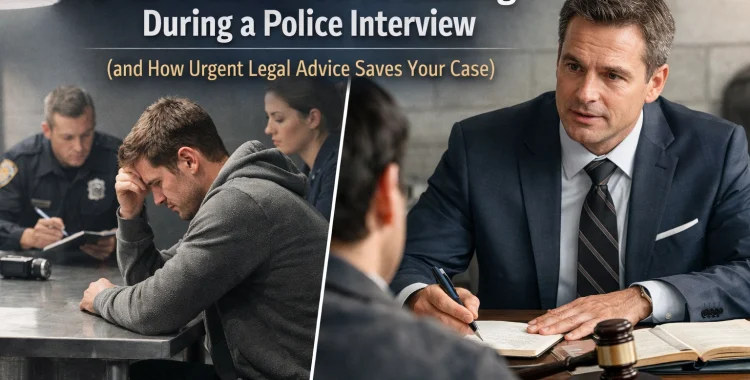
7 Mistakes You’re Making During a Police Interview (and How Urgent Legal Advice Saves Your Case)
The moment you are taken into a police interview room, the power dynamic shifts entirely. You are in a controlled environment designed to extract information that can, and will, be used against you in a court of law. Most people believe that if they are innocent, they can simply "explain the situation" and go home. This is the most dangerous assumption you can make.
In NSW, the law provides you with specific protections, but those protections are easily waived if you do not understand how to use them. Whether you are facing charges for a minor offence or something as serious as child sexual assault, the mistakes you make in the first hour of police contact can dictate the next ten years of your life.
Here are the seven most common mistakes people make during a police interview and why urgent legal advice in Sydney is your only real line of defence.
1. Do I really need to answer every question the police ask me?
No. Your most powerful tool is the right to silence. Many people feel a psychological pressure to fill the silence in an interview room. They believe that refusing to answer questions makes them "look guilty." Under Section 89 of the Evidence Act 1995 (NSW), the court generally cannot draw an adverse inference from your refusal to answer questions or provide information during a police interview.
When you talk too much, you provide the prosecution with a "version of events" that they can later pick apart. Even if you are telling the truth, a nervous slip of the tongue or a minor factual error can be framed as a deliberate lie. A criminal lawyer in Sydney will almost always advise you to remain silent until they have reviewed the allegations against you.
2. Is it okay to provide "context" or explain my side of the story?
Absolutely not. Volunteering unnecessary information is how many defendants accidentally hand the police the missing piece of their evidence chain. Police are trained in the "PEACE" model of interviewing. They want you to keep talking because the more you say, the more likely you are to provide a detail that confirms their theory of the crime.
For example, if you are being questioned about an AVO breach, simply admitting you were "near the house" to pick up your mail is an admission of presence, which may be all they need to charge you. If you are unsure about the specifics of your orders, read our guide on standard AVO conditions in NSW before saying a word to the police.
3. Should I wait until I am charged to call a lawyer?
Waiting is a critical error. You need urgent legal advice in Sydney the moment the police contact you. Many people believe that asking for a lawyer makes them look suspicious. In reality, it makes you look protected.
Legal representation in a criminal case starts the moment you are a "person of interest." A lawyer can:
- Contact the police on your behalf to find out exactly what the allegations are.
- Advise you on whether a "no comment" interview is the best strategy.
- Prevent police from using aggressive or coercive tactics during the interview.
- Arrange for a voluntary surrender if a warrant exists, which looks much better for bail applications than being arrested at 3:00 AM.

4. What happens if I tell a "small lie" to protect myself or someone else?
Lying to the police is a separate criminal offence and will destroy your credibility. If you are caught in a lie during a police interview, that lie becomes "consciousness of guilt" evidence. This means the prosecution can argue that you lied because you knew you were guilty.
If you are asked a question that you don't want to answer, the solution is not to lie, it is to rely on your right to silence. It is much harder for a criminal lawyer in Sydney to defend a case where the client has been caught in a blatant lie on video. If you have already made a statement and realised it was incorrect, you must contact us immediately to discuss if you can withdraw a guilty plea or rectify the record.
5. Does my attitude during the interview actually matter?
Yes, your demeanour is being recorded and assessed. Being aggressive, defensive, or hostile toward the police rarely helps your case. In fact, it often makes you look like the "aggressor," which is particularly damaging in assault or AVO matters.
Police are assessing your "composure." If you are shouting or being difficult, it can be used to support a narrative that you are a person prone to violence or lack self-control. Stay calm, stay polite, and stay silent. Let your legal representative handle the communication. For more on handling police interactions, see our ultimate guide to protecting your rights.
6. Why are inconsistencies in my statement so dangerous?
Inconsistencies are the foundation of a successful prosecution. If you give a statement to police at the scene, and then a different statement during a recorded interview, the prosecution will highlight these differences to show you are unreliable.
The police will often ask the same question in five different ways over three hours. They are looking for you to trip up. If you give one version of events at the start and a slightly different one at the end, they will claim you are "changing your story." This is why legal representation in a criminal case is vital: your lawyer will ensure you don't fall into these linguistic traps.

7. Should I guess the answer if I don't understand the question?
Never guess. If a detective asks a vague or complex question, and you guess the answer, you are creating evidence that might be factually wrong. Police often use open-ended prompts like "Tell me what happened next" to get you to fill in the gaps with potentially incriminating details.
If you don't understand a question, you have the right to ask for clarification. Better yet, if you have a lawyer present, they can object to unfair or misleading questions. This is especially important in cases involving complex digital evidence, where a misunderstanding of how a device works could lead to a charge of possession of child abuse material.
How Greenfield Criminal & AVO Defence Lawyers Protect You
When you call us for urgent legal advice in Sydney, we don't just tell you to "be quiet." We provide a comprehensive tactical shield. We understand the pressure of the interview room and the tactics used by NSW Police.
We manage the "Information Gap"
Police often have very little evidence and are using the interview to build their case. We step in to ensure you don't give them the evidence they are missing. We will review the "Facts Sheet" and advise you on the strength of their case before you say a single word.
We protect your digital rights
In the modern era, a police interview often involves questions about your phone or computer. Do not provide your PIN or passwords without legal advice. Read our post on digital evidence nightmares to understand why this is a critical mistake.
We prepare you for the "Bail Fight"
What you say in an interview can directly impact your chances of getting bail. If you admit to being a "risk" or show a lack of remorse (or too much remorse that sounds like a confession), you may find yourself held in custody until your court date.
We represent you at the local level
Whether you are appearing at Burwood Local Court or the Downing Centre, the work we do during the police interview phase sets the stage for your entire defence.
Practical Next Steps
If the police have contacted you, or if you believe an arrest is imminent, do not wait.
- Stop talking. Politely tell the officers: "I wish to remain silent and I want to speak to my lawyer before answering any questions."
- Call Greenfield Criminal & AVO Defence Lawyers immediately. We provide expert support for assault and AVO matters and all criminal charges.
- Do not sign anything. Do not sign police notebooks or statements until your lawyer has reviewed them.
- Stay off social media. Do not post about the incident or the police.
Legal representation in a criminal case is not a luxury; it is a necessity. The mistakes you avoid today will be the reason you win your case tomorrow.
Contact Greenfield Criminal & AVO Defence Lawyers today for urgent legal advice in Sydney. Your future depends on it.


About Post Author
